

百变躲猫猫中文版
94.77MB · 2025-12-01

@Transactional 默认回滚与常见陷阱解析在使用 Spring 框架进行数据库操作时,@Transactional 注解是实现声明式事务管理的核心工具。它极大地简化了事务控制的代码。
然而,在实际应用中,一个常见的“坑”在于 @Transactional 注解的默认回滚行为。理解这一点对于避免数据不一致至关重要。
Spring 的 @Transactional 注解有一个关键属性 rollbackFor,用于指定哪些异常会触发事务回滚。
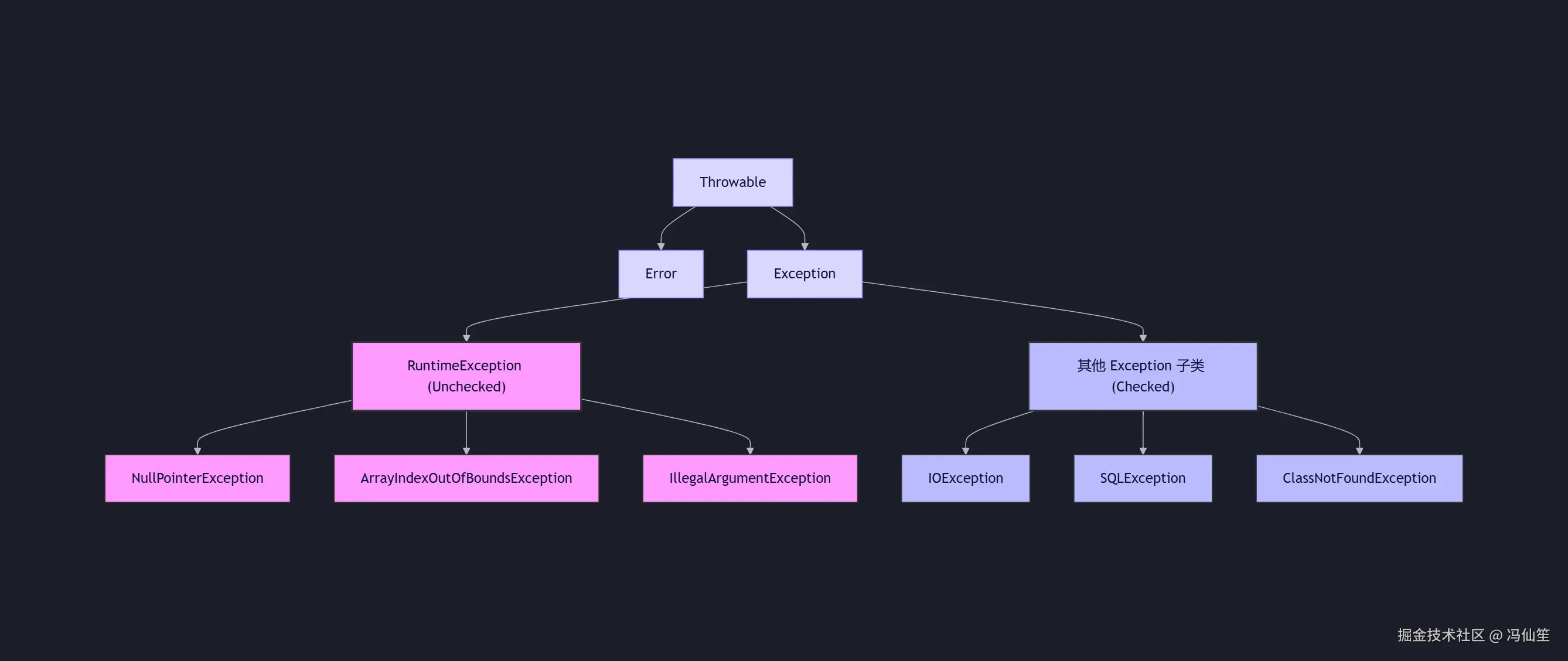
rollbackFor),Spring 只会在遇到 RuntimeException 及其子类(也就是我们常说的运行时异常)时,才会自动回滚事务。Exception 的另一个主要分支——检查型异常(Checked Exception),即使事务方法抛出了这些异常,默认情况下事务不会自动回滚。为了更好地理解上述规则,我们先快速回顾一下 Java 的异常体系:
Throwable: 所有错误和异常的超类。Exception: 应用程序本身可以处理的异常情况。
RuntimeException: 运行时异常。这类异常通常由程序逻辑错误引起(如空指针、数组越界),编译器不要求强制处理。它们继承自 Exception。RuntimeException 及其子类之外的所有 Exception 子类。这类异常在编译时就必须被 try-catch 处理或通过 throws 声明抛出,例如 IOException, SQLException 等。让我们通过一个具体的例子来说明问题:
假设我们有一个转账服务,需要从账户A扣款,并向账户B加款。这个过程必须是原子性的。
import org.springframework.beans.factory.annotation.Autowired;
import org.springframework.stereotype.Service;
import org.springframework.transaction.annotation.Transactional;

import java.io.IOException; // 检查型异常示例

@Service
public class TransferService {

    @Autowired
    private AccountRepository accountRepository;

    /**
     * 错误示例:此方法在默认 @Transactional 设置下可能不会按预期回滚
     */
    @Transactional // <--- 使用默认的 rollbackFor = RuntimeException.class
    public void transferMoney(String fromAccount, String toAccount, double amount) throws IOException {
        // 1. 从 fromAccount 扣除金额
        accountRepository.debit(fromAccount, amount);

        // 2. 向 toAccount 增加金额
        accountRepository.credit(toAccount, amount);

        // 3. 假设这里调用了一个外部系统,可能会抛出检查型异常 IOException
        callExternalSystem(); // 此方法声明 throws IOException
    }

    private void callExternalSystem() throws IOException {
        // 模拟一个 IO 操作失败
        throw new IOException("Failed to communicate with external system");
    }
}

// Repository 层示意
interface AccountRepository {
    void debit(String accountNumber, double amount);
    void credit(String accountNumber, double amount);
}
问题分析:
在这个 transferMoney 方法中:
IOException(检查型异常)的方法 callExternalSystem()。@Transactional 是默认配置,它只对 RuntimeException 回滚。IOException 被抛出时:
try-catch 了它,或者让它继续向上抛出(因为方法签名声明了 throws IOException),事务并不会回滚。rollbackFor为了避免这种陷阱,最推荐的做法是:在使用 @Transactional 时,总是显式地指定 rollbackFor 属性,确保事务在遇到所有你不希望提交的情况(包括检查型异常)时都能正确回滚。
修改后的代码如下:
import org.springframework.beans.factory.annotation.Autowired;
import org.springframework.stereotype.Service;
import org.springframework.transaction.annotation.Transactional;

import java.io.IOException;

@Service
public class TransferServiceFixed {

    @Autowired
    private AccountRepository accountRepository;

    /**
     * 推荐做法:明确指定所有需要回滚的异常类型
     */
    @Transactional(rollbackFor = { Exception.class }) // <--- 明确指定,遇到任何 Exception 都回滚
    // 或者更具体一点:@Transactional(rollbackFor = { IOException.class, SQLException.class })
    public void transferMoney(String fromAccount, String toAccount, double amount) throws IOException {
        // 1. 从 fromAccount 扣除金额
        accountRepository.debit(fromAccount, amount);

        // 2. 向 toAccount 增加金额
        accountRepository.credit(toAccount, amount);

        // 3. 调用外部系统
        callExternalSystem();
    }

    private void callExternalSystem() throws IOException {
        // 模拟一个 IO 操作失败
        throw new IOException("Failed to communicate with external system");
    }
}
改进点:
@Transactional(rollbackFor = { Exception.class }),我们告诉 Spring:无论方法抛出何种类型的 Exception(及其子类),都必须回滚事务。callExternalSystem 抛出了 IOException,事务也会被成功回滚,保证了数据的一致性。@Transactional(rollbackFor = { IOException.class, SQLException.class })。@Transactional 注解虽然强大便捷,但其默认只对运行时异常 (RuntimeException) 回滚的行为是一个容易忽视的细节。在业务逻辑中涉及到检查型异常 (Checked Exception) 且这些异常的发生意味着事务应该被取消时,务必记得使用 rollbackFor 属性来覆盖默认行为。这是一种良好的实践,能有效防止因异常处理不当而导致的数据不一致问题。